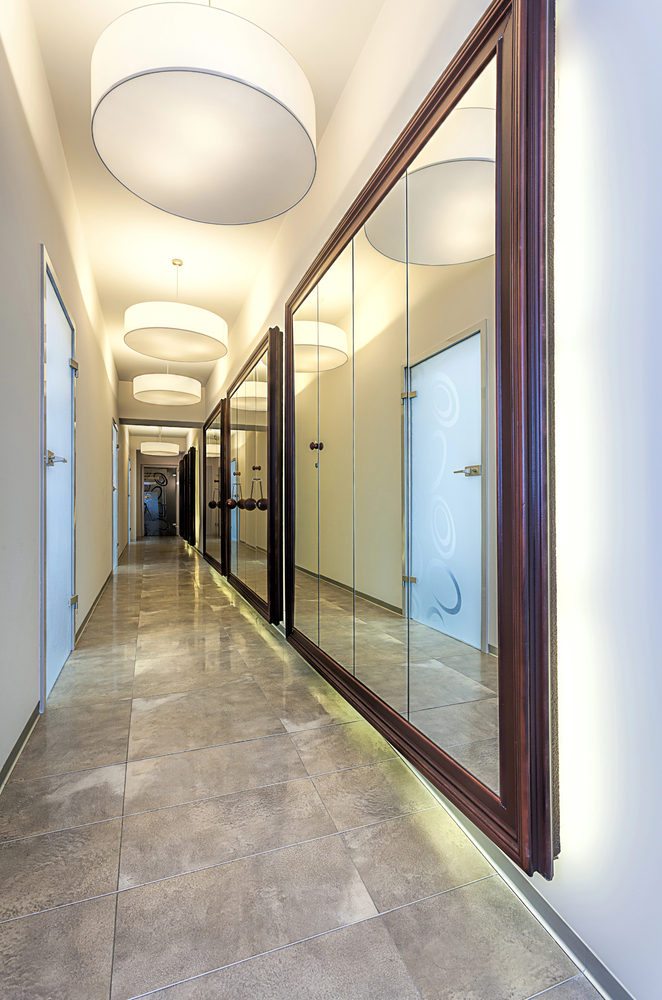
THE FiVE PARAMOUNT REASONS NOT TO REMOVE MIRRORS YOURSELF
your Safety is a must
1) Safety and Risk Management:
Removing a large or damaged mirror carries inherent risks, primarily due to the potential for the mirror to shatter unexpectedly, creating sharp shards that can cause severe injuries such as deep cuts or even life-threatening wounds. Professionals not only have the proper safety gear, such as gloves, goggles, and protective clothing but also have techniques to minimize the risk of glass breaking during removal. They ensure the entire process is conducted in a controlled environment to prevent accidents and protect everyone involved.
DIY Dangers: According to the Consumer Product Safety Commission, over 2,300 emergency room visits each year in the United States are related to injuries incurred at home. This statistic underlines the potential for serious harm when handling large mirrors, particularly if they are already compromised.
2) Requires Proper Tools and Techniques:
Mirror removal requires specific tools such as glass suction grips, professional-grade adhesive removers, and precision cutting tools, which most homeowners do not commonly possess. Professionals use these tools to carefully detach the mirror from walls or frames without causing damage to the surrounding areas, such as chipping paint, tearing wallpaper, or gouging walls. The lack of proper tools and techniques can lead to improper removal, risking damage to your property and personal injury from handling large, unwieldy glass pieces.
DIY Dangers: Research shows that improper handling of heavy objects, including large mirrors, leads to over 35% of home renovation-related injuries. Failing to use the appropriate tools and methods significantly contributes to these accidents.
3) Efficiency and Expertise in Complex Situations:
Expert removers are trained to handle complex situations such as mirrors installed in high or awkward positions, mirrors affixed with strong adhesives or those incorporated into decorative features or expensive fixtures. They can navigate these challenges quickly and effectively, ensuring the mirror is removed swiftly to allow you to reclaim and utilize your space without prolonged disruption. DIY attempts could lead to prolonged projects, incorrect removal techniques, and potentially leaving part of the installation in place, which could necessitate additional interventions.
DIY Dangers: Industry reports suggest that tasks performed without the requisite expertise can take up to three times longer to complete than when handled by a professional. This delay affects the immediate use of space and can also compound the risk of errors.
4) Disposal and Environmental Compliance:
Large glass pieces must be disposed of according to specific municipal regulations to prevent injury and environmental damage. Mirror removal experts are familiar with these regulations and can ensure that the Glass is disposed of in a manner that is safe and environmentally responsible. Incorrect disposal poses a risk to sanitation workers and could lead to fines or penalties for non-compliance with local disposal laws.
DIY Dangers: Reports indicate that improper disposal of household materials leads to over 1,000 citations and fines annually in major cities. Glass and mirrors are often cited explicitly due to their potential hazard to waste management workers and the environment.
5) Cost-Effectiveness and Peace of Mind:
While the initial cost of hiring a professional might seem high, the potential costs of DIY removal—such as medical expenses from injuries, repair costs from accidental property damage, or fines for improper disposal—can far exceed the fee for professional services. Furthermore, the assurance that the removal has been handled safely and competently allows you to focus on other tasks or projects, adding value by freeing up your time and reducing stress.
DIY Dangers: Studies have shown that DIY projects gone wrong can result in costs 50-100% higher than initially projected, often due to unforeseen complications and the need for subsequent professional intervention.
We are always ready to safely remove and dispose of your mirrors